

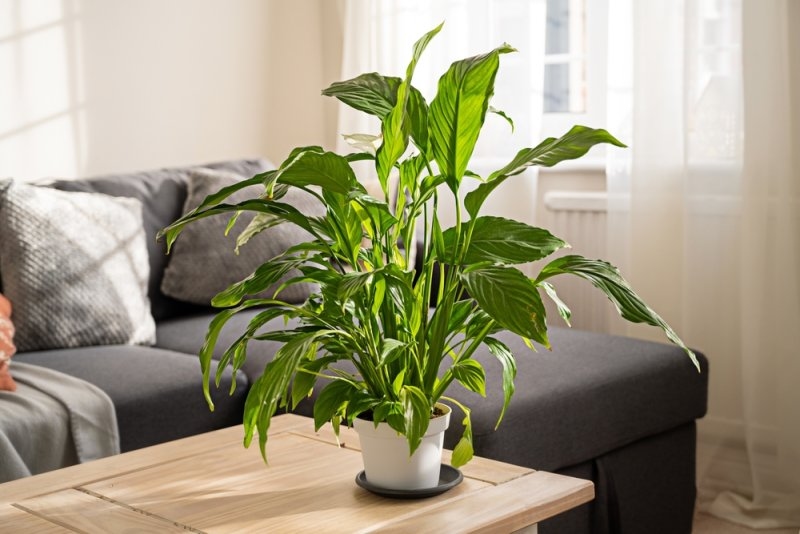
If you just toss peace lilies in a corner and ignore them, the leaves might stay green for a while, but don’t expect flowers or much new growth. Little things count. Overwatering, harsh sunlight, or dense potting mix can mess your plant up slowly—even if it looks fine at first.
This blog is all about what actually works for peace lily care—straightforward tips, what to do and what not to do, when to water, lighting basics, blooming cycles, and easy ways to keep your plant looking good year-round.
Successful peace lily care begins before watering or fertilizing. Location matters. Soil matters. Even the pot makes a difference. Unlike many flowering houseplants, peace lilies prefer stable indoor conditions over constant changes. They respond well to consistency.
The healthiest plants usually share three things: filtered light, moderate watering, plus loose soil with good drainage. Those simple habits produced healthier leaves and more frequent flowers than heavy feeding or frequent repotting.
| Care Factor | Best Practice | Common Mistake |
| Light | Bright indirect light | Direct afternoon sun |
| Water | Water when the top inch dries | Watering daily |
| Soil | Loose, well-draining mix | Heavy garden soil |
| Humidity | Moderate to high | Very dry indoor air |
| Temperature | 18–27°C | Cold drafts |
Strong peace lily care depends more on consistency than perfection.
People often ask how to care for a peace lily, expecting a long checklist. It isn't necessary. Instead, keep a simple routine. Check soil moisture once or twice each week. Turn the pot every month so your peace lily grows evenly. Snip off any yellow leaves before they start to rot.
Clean dusty foliage using a damp cloth so leaves can absorb light properly. Learning how to care for a peace lily becomes easier when you watch the plant instead of following a strict calendar.
Don't Miss: A Beginner's Guide to Repotting Plants for Healthier Growth
Many struggling plants are simply watered too much. Good peace lily care means allowing the top inch of soil to dry slightly before watering again. Roots need oxygen just as much as moisture. Constantly wet soil suffocates them.
Understanding peace lily water requirements prevents most indoor plant problems. During warmer months, the plant drinks more because growth increases. Winter slows everything down. Watering should slow down, too.
Signs your peace lily water requirements are being met include upright leaves, firm stems, and evenly moist soil—not soggy soil.
A simple guide helps:
Light affects flowering more than many people expect. Good peace lily care includes placing the plant where sunlight stays bright yet indirect. East-facing windows work especially well. A few feet from a south-facing window also works if filtered by curtains.
Many owners misunderstand peace lily light requirements because the plant survives in darker rooms. Survival isn't the same as thriving. Proper peace lily light requirements include several hours of filtered daylight each day.
Too little light reduces blooming. Strong afternoon sun burns leaves, leaving dry brown patches that rarely recover. If your plant produces healthy green leaves but never flowers, lighting is usually the first thing worth adjusting.
Roots decide how healthy the entire plant becomes. Dense soil traps moisture for too long. You want loose soil—it lets water drain out but still holds enough for steady growth.
The best soil for peace lilies keeps moisture but doesn’t get soggy. Mix regular indoor potting soil with perlite, orchid bark, or chunky coco chips. That keeps the roots happy, so they don’t get cramped, and airflow stays good.
Choosing the best soil for peace lily also reduces fungal problems because excess water drains more efficiently.
Few plant problems create panic faster than drooping leaves. Fortunately, a peace lily drooping usually has a simple explanation. It often signals thirst, though overwatering can produce the same appearance.
When a peace lily drooping happens suddenly, check the soil moisture first. Dry soil means the plant needs water. If the soil’s wet for too long, watch out—your plant could be stressed out at the roots.
Persistent peace lily drooping should never be ignored because prolonged stress slows growth, weakens roots, plus reduces flowering later.
Flowers don't appear by chance. Healthy leaves, the right amount of water, enough light, and stable temperatures—all these set the plant up to bloom.
Many people wonder how often does a peace lily bloom after bringing one home. Most peace lilies indoors bloom once or twice a year. Bigger, older plants that get great care? Sometimes they bloom more often.
If you're asking how often does a peace lily bloom, remember that younger plants naturally bloom less than established ones.
Also Read: How to Find the Best Fertilizer for Plants: A Detailed Guide
You don’t need fancy products. Get the basics right. Watch how your lily’s leaves look; check the dirt now and then. Tweak your watering habits through the year instead of sticking to a calendar. Small changes make a big difference down the road. If you pay attention to water, light, and soil, and get to know your plant’s quirks, your peace lily will last for years and stay gorgeous.
No, you don’t have to. Most homes have enough humidity for these plants. If your place is super dry, use a humidifier or mist it now and then—don’t go wild spraying every day.
Definitely, good LED grow lights work well if you don’t have much sun. Set the timer for 10–12 hours a day, but don’t put the light right against the leaves.
Every couple of years is about right, or if you see roots circling the inside of the pot. Go just a bit bigger with the new pot—too much extra soil holds too much water.
Unfortunately, no. They contain crystals that can irritate cats and dogs if they chew on the leaves. It’s best to keep your peace lily where pets and small kids can’t reach.
This content was created by AI