

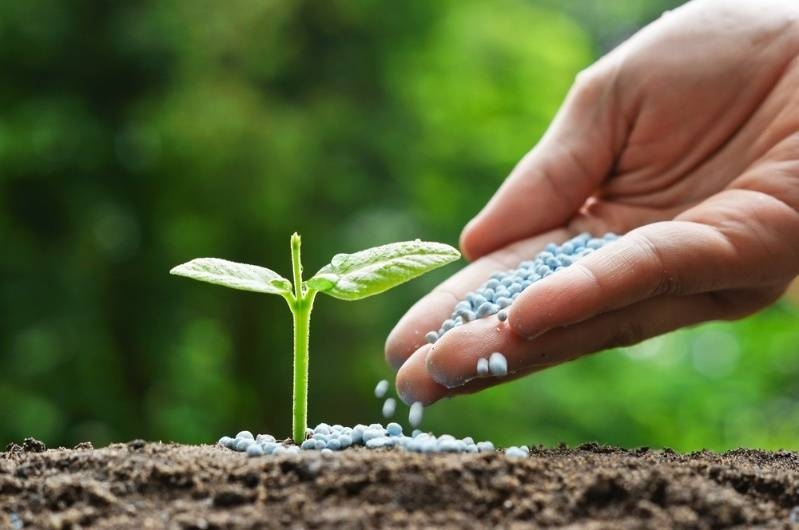
The best fertilizer for plants does not only just make the growth faster. It is about giving plants what they are actually missing. Plants also get better leaves and stronger stems when the right nutrients reach the roots.
In this blog, you will find out the steps to find the best fertilizers. It will also explain to you the benefits of organic plant fertilizers and practical tips to use them effectively.
Must Read: Plant Pest Control Made Simple: Stop Bugs from Ruining Plants
Plants depend on nutrients that are present in the soil. However, it is essential for you to know that these nutrients do not last forever. This is because the soil slowly loses its strength because of regular watering and plant growth. Thus, the best fertilizers for plants play a huge role in their growth.
A good fertilizer does more than just boost growth. It helps roots spread deeper and makes leaves look fresh and green. When nutrients are balanced, plants grow evenly instead of showing weak or uneven patterns.
Choosing the best fertilizer for plants is not about using more. It is about using what is needed.
The following list will help you to understand the benefits of organic plant fertilizers:
Organic plant fertilizer works on improving the soil over time. Organic fertilizer adds material to the soil that ensures it remains soft and easy to move through. Eventually, the soil becomes supportive of plants for long-term growth.
Unlike other fertilizers that work fast, organic plant fertilizer releases nutrients slowly. This ensures that plants are not under pressure to grow. As a result, they grow naturally without any interference.
Soil life consists of tiny organisms that assist plants in breaking down nutrients. Organic plant fertilizer ensures that plants have easy access to nutrients. This makes them grow stronger.
A clear plant nutrient guide makes it easier to understand what plants really need. Without this knowledge, choosing fertilizers becomes a matter of guesswork.
Nitrogen helps leaves grow fuller, phosphorus supports roots, and potassium improves overall strength. This plant nutrients guide shows how these three elements work together to support balanced plant growth.
Calcium, magnesium, and sulfur also play a role in plant health. They help in structure and nutrient movement. A proper plant nutrient guide includes these for better plant development.
There are small amounts of nutrients like iron and zinc. These things also play an essential role in supporting the growth of the plant. They help with leaf color and internal plant processes.
You can refer to the following steps to find the best fertilizers for plants:
Each plant will have different needs. Some will need more assistance for their leaves, others for their flowers, and others for their roots. This step will assist in the selection of the best fertilizer for the plants according to their needs.
The soil is a reflection of what is lacking. Some soils may already be full of nutrients, whereas others may feel dry or weak. This step will help you to make sure that only the necessary nutrients are added.
Fertilizers come in different forms. They may be in liquid or compost form. They work differently from one another. They will assist in ensuring that the nutrients get to the roots of the plants.
Natural methods are simple, and honestly, they work better than expected when done right. These natural fertilizer tips are easy to follow and do not require much effort.
Kitchen waste like fruit peels can be turned into compost. It may seem small, but over time, it adds value to the soil. These natural fertilizer tips help reduce waste while improving plant health.
Instead of adding a large amount at once, smaller amounts work better. It keeps the soil stable and avoids sudden changes. Plants respond better to this steady approach.
Water helps nutrients move through the soil. Without it, fertilizers may stay on the surface and not reach the roots. This step is simple but often missed.
Feeding plants is not just about what to give, but also when to give it. Timing plays a bigger role than most people expect.
Plants grow faster in some seasons and slower in others. Feeding should match that pace. A good plant feeding schedule adjusts based on these natural changes.
Young plants need support for their roots, while mature plants need support for their flowers and strength. A proper plant feeding schedule takes these stages into account.
Following a fixed schedule may not always work. Plants behave differently depending on conditions. Watching them closely helps in deciding when to feed.
Soil is not just a base. It is the main source of life for plants. Without proper nutrients, even healthy plants may struggle to grow.
Soil nutrients support root growth, which is the base of the plant. Strong roots help in better water and nutrient absorption. This leads to healthier plants overall.
When soil nutrients are present in the right amount, plants grow evenly. Leaves, stems, and flowers all develop in a natural way without stress.
Plants with proper soil nutrients handle changes in weather better. They stay stable even when conditions are not perfect. This makes them more reliable over time.
Choosing the right fertilizer becomes simple when the focus stays on plant needs and soil condition. Small steps, regular checks, and balanced feeding go a long way. With the right approach, the best fertilizer for plants can support healthy growth without making the process complicated or confusing.
The right fertilizer depends on the type of plant and its growth stage. Some plants need support for leaves, while others need help with roots or flowers. Observing plant condition and understanding basic nutrient needs makes it easier to choose correctly.
Natural fertilizers support soil health over time and improve plant growth in a steady way. They may not show quick results, but they create a strong base for plants. This makes them suitable for long-term care without harming the soil.
Too much fertilizer can damage roots and affect plant growth. Leaves may turn yellow or look burnt. In some cases, plants may stop growing properly. Reducing the amount and watering properly can help fix the issue.
This content was created by AI