

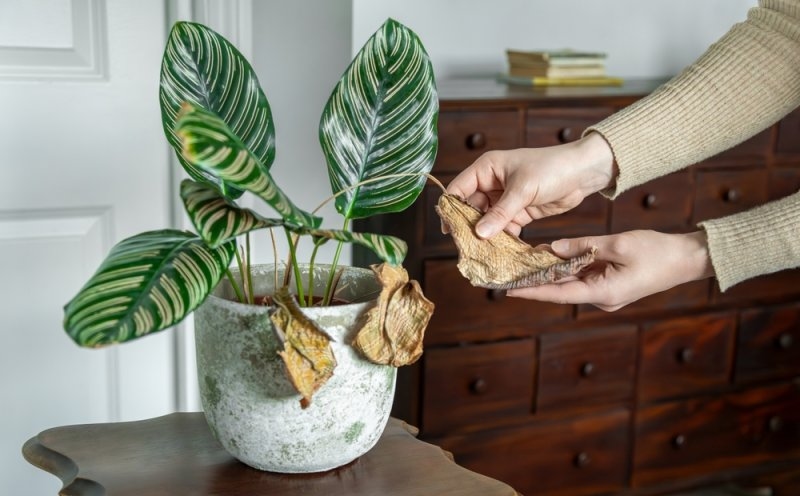
Discovering brown leaves on plants inside your home can feel heartbreaking after investing time and care into your indoor garden. According to consumer horticultural surveys from the National Gardening Association (NGA), over 67% of indoor plant owners experience leaf discolouration within their first year of caring for houseplants. Seeing once vibrant foliage turn crispy or yellow is a common hurdle that every plant lover faces at some point.
You do not need to be a professional botanist to nurse your green companions back to vibrant health. Most causes of leaf discolouration stem from simple environmental imbalances that are easily corrected with small adjustments.
In this comprehensive diagnostic guide, we will explore the primary root causes of leaf browning, identify specific symptoms, and share practical recovery strategies. Read on to discover actionable steps on how to prevent brown leaves on plants and restore your indoor jungle to peak health.
Understanding what causes brown leaves on plants requires looking at how water, light, and soil nutrients interact with living plant tissue.
| Environmental Cause | Effect on Leaves |
| Underwatering | Dry soil causes crisp brown leaf tips and papery edges. |
| Overwatering | Soggy roots cause soft, dark brown spots with yellow halos. |
| Low Humidity | Dry indoor air strips moisture from thin leaf margins. |
| Sunburn | Direct light scorches exposed upper foliage, turning it white. |
Watering issues represent the single largest trigger for discoloured foliage in home settings. Underwatered plants develop dry, papery brown margins because cells lose turgor pressure. Conversely, overwatered roots suffocate in waterlogged soil, rotting beneath the surface and turning leaves dark brown and mushy.
Tropical houseplants thrive in humid environments above 50 per cent relative humidity. Standard indoor heating and air conditioning units drop humidity levels below 30 per cent, causing moisture to evaporate rapidly from delicate leaf edges.
When asking why are my plant leaves turning brown, paying close attention to the exact location and texture of the browning offers valuable clues.
| Symptom Pattern | Underlying Environmental Cause |
| Crispy Tips | Dry indoor air, low humidity, or chemical buildup |
| Mushy Spots | Root rot caused by overwatering or poor soil drainage |
| Yellow to Brown | Natural aging of lower leaves or sudden temperature drops |
| Bleached Patches | Sunburn from intense direct afternoon sunlight exposure |
Investigating why do plant leaves turn brown at the edges often reveals issues with tap water quality or fertilizer application.
Tap water contains chlorine, fluoride, and dissolved minerals that build up inside plant tissue over time. As plants transpire moisture through their leaf tips, these minerals concentrate along the outer margins, creating a dry brown border.
Applying chemical fertilizers too frequently burns delicate feeder roots beneath the soil surface. This root damage prevents the plant from absorbing water efficiently, manifesting as scorched brown edges on upper foliage.
Determining why are my indoor plant leaves turning brown requires auditing your plant's immediate living environment. Indoor plants adapt slowly to changing seasons, shifting light levels, and draughty windows.
Uncovering why are my plant leaves turning brown after watering usually points to root suffocation or severe soil hydrophobic conditions.
When soil stays completely dry for extended periods, it shrinks away from the pot walls. Watering a hydrophobic pot causes water to rush down the sides without saturating the root ball, leaving the plant dehydrated despite fresh watering.
Conversely, if the pot lacks drainage holes, excess water collects at the bottom. This drowns the root system, triggering immediate stress and rapid brown leaf drop shortly after you water.
Learning how to fix brown leaves on plants involves a systematic rescue process to stabilize your plant and encourage fresh growth.
| Step | Plant Recovery Action |
| Step 1: Prune | Trim Dead End |
| Step 2: Flush | Flush Mineral |
| Step 3: Adjust | Move to Bright |
Try This: Plant Care Mistakes That Kill Plants and How to Fix Them
Mastering how to stop plant leaves from turning brown relies on building long-term preventative care habits that support healthy root systems.
| Preventative Care Strategy | Recommended Practice |
| 1. Use Humidifiers | Maintain ambient humidity levels above 50%. |
| 2. Filter Water | Allow tap water to sit out or use filtered rainwater. |
| 3. Well-Draining Soil | Mix perlite into soil mixes to ensure optimal drainage. |
| 4. Dilute Feed | Feed plants at half strength during active spring growth. |
Adopting proactive measures on how to prevent brown leaves on plants keeps your indoor garden thriving through every season. Group tropical plants together to create a microclimate that traps natural moisture in the air.
Rotate your pots monthly so all sides receive balanced light exposure. Wipe dusty leaves with a damp cloth every few weeks to keep stomata clear, allowing your plants to breathe and photosynthesise efficiently.
Restoring health to discoloured foliage is a rewarding journey that builds deep confidence in your indoor gardening skills. Throughout this guide, we evaluated how improper watering, low humidity, and mineral accumulations cause leaf margins to crisp and turn brown.
We detailed step-by-step diagnostic methods to identify root rot, sunburn, and tap water sensitivity before damage spreads. By implementing consistent watering checks, utilizing filtered water, and maintaining adequate ambient humidity, you can protect your plant collection from future stress.
Creating a lush home environment requires paying attention to small signals your green companions send every day. Taking time to inspect soil moisture, trim dead foliage, and adjust lighting placements ensures your living space remains vibrant and full of life. Discover organic soil mixes, eco-friendly planters, and expert indoor gardening supplies today at Able Garden.
Hydrophobic soil becomes so compacted and dry that water runs down the inside of the pot without soaking in, leaving roots bone dry. Overwatered soil remains dense, dark, and soggy for over a week, trapping moisture around roots and preventing necessary oxygen circulation.
Trimming crispy brown leaf tips improves the visual appearance of your houseplant and reduces stress. Always use sterilized shears and leave a tiny margin of brown tissue behind to avoid cutting directly into living green cells, which creates a fresh open wound for bacteria.
Sensitive plants like calathes, marantas, and spider plants cannot process fluoride and chlorine found in municipal tap water. These chemicals accumulate in leaf tips over time, causing dark brown or black crispy margins. Using distilled water or collected rainwater prevents this chemical scorch completely.
Placing tropical houseplants too close to cold single-pane glass during winter causes cell damage. Radiant cold air freezes plant tissue, causing leaves resting against the glass to turn black or soft brown. Move tropical plants a few feet back from cold glass panes during freezing months.
Older leaves at the base of a plant naturally turn brown, dry up, and drop as part of the normal growth cycle. The plant redirects energy and stored nutrients from older lower leaves to produce fresh top growth, provided upper foliage remains healthy and green.
This content was created by AI