


Plants are supposed to be calming. A little green in the room, a few leaves by the window, maybe a proud tomato plant in the backyard. Yet somehow, things go wrong. Leaves droop. Soil smells odd. Stems turn mushy or brittle. Suddenly, you’re staring at dying plants and wondering what you missed.
Here’s the thing. Most plants don’t die because you ignored them. They die because you cared too much, too little, or at the wrong time. This guide walks through the most common Plant Care Mistakes, explains why they happen, and shows you simple, realistic plant problem solutions that actually work for homes and gardens across the USA. Whether you’re dealing with houseplants, patio herbs, or a small backyard bed, these fixes can bring stressed plants back from the brink.
Water feels like love. So we pour. And pour again. This is where many well-meaning gardeners stumble.
Too much water is one of the most common gardening errors in American homes, especially with indoor plants that don’t dry out quickly.
Plants don’t read calendars. Some weeks they’re thirsty; other weeks they’re fine. Watering every Monday, no matter what, often leads to soggy roots.
A better move is to check the soil. Stick a finger two inches down. If it’s still damp, wait. This tiny habit alone saves countless plants.
A beautiful pot without drainage holes is a silent killer. Water pools at the bottom, roots drown, and rot creeps in.
If you love decorative planters, keep plants in plastic nursery pots inside them. That way, excess water escapes, and you stay in control.
Succulents, snake plants, and ZZ plants store water. Ferns and calatheas don’t. Treating them the same is like feeding a cactus soup every day.
Group plants by water needs. It makes care easier and prevents confusion.
Oddly enough, many dying plants suffer from the opposite problem. Life gets busy. Watering slips your mind. The plant hangs on… until it doesn’t.
Soil can look fine on the surface while being bone dry underneath. This happens often with peat-based potting mixes.
Every so often, water slowly and deeply until water runs out the bottom. This rehydrates the entire root system.
Homes in the USA rely heavily on heating and cooling. Both dry the air. Plants lose moisture faster, even if the soil looks normal.
During summer heat waves or winter heating season, check plants more often. They’ll tell you when they’re stressed if you’re paying attention.
Soil isn’t just dirt. It’s a support system. Get it wrong, and roots struggle no matter how careful you are.
Scooping soil from the yard feels convenient. It’s also compact, heavy, and terrible for containers.
Potting mix is designed to hold moisture while allowing air. That balance keeps roots healthy.
Over time, the potting mix collapses and stops draining well. This sneaks up on people.
If a plant has lived in the same pot for two years, fresh soil can make a huge difference. Honestly, it’s like a reset button.
Cacti need fast-draining soil. Orchids need bark. African violets prefer something lighter.
Using the right mix is one of those plant problem solutions that feels boring but works every time.
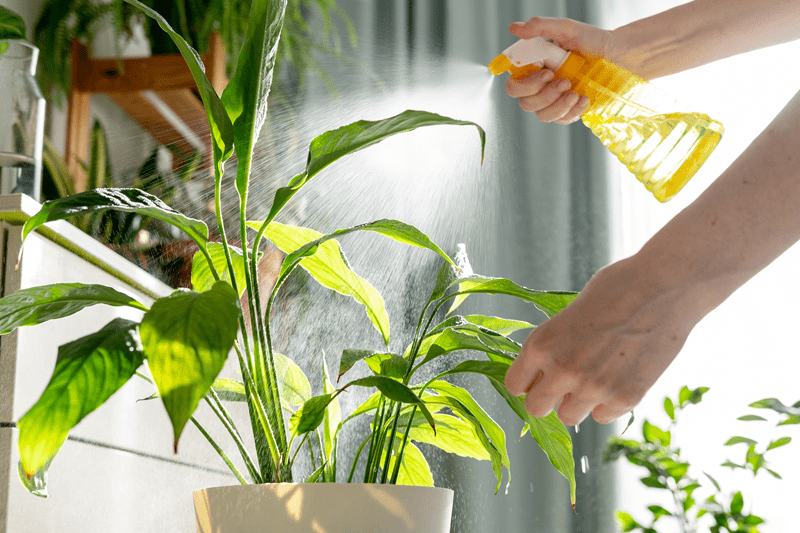
Light mistakes don’t cause instant damage. They’re sneaky. Weeks go by before you notice.
A sunny living room isn’t the same as direct sunlight. Light intensity drops fast as you move away from windows.
If a plant leans dramatically or grows long, weak stems, it’s asking for more light.
That same south-facing window can scorch plants that prefer indirect light. Burn marks often show up as pale or crispy patches.
Sheer curtains soften harsh sun while keeping rooms bright.
Plants grow toward light. If you never rotate them, they grow lopsided and stressed.
Feeding plants sounds helpful. Overfeeding is another story.
Excess fertilizer burns roots and causes leaf damage. This is one of the classic gardening errors that feels logical but backfires.
Follow label instructions. When unsure, use half strength.
Most houseplants slow down in winter. Feeding them then can stress roots.
Spring and summer are growth seasons. That’s when nutrients matter most.
Yellow leaves, weak growth, or poor flowering can signal nutrient issues. Sometimes the problem isn’t a lack of fertilizer, but salt buildup from too much of it.
Flushing soil with plain water every few months helps reset things.
Plants notice temperature changes more than we do.
Winter windows get chilly. Heating vents blast dry air. Both cause leaf drop and browning.
Move plants a few feet away from extreme sources. Small adjustments count.
Taking a plant from an air-conditioned room to the hot outdoor sun too quickly can damage leaves.
Acclimate plants gradually. Think of it like easing into a pool instead of jumping in.
Bugs don’t always announce themselves. They creep in quietly.
Sticky residue, tiny webs, or speckled leaves often appear before bugs are visible.
Check leaf undersides during regular watering. It becomes second nature after a while.
Strong pesticides can harm plants more than pests. Many issues respond to neem oil or insecticidal soap.
Start gently. Escalate only if needed.
New plants can carry pests into your collection. Keep them separate for a couple of weeks.
This small habit prevents big headaches.
Plant care isn’t about perfection. It’s about paying attention, adjusting when things feel off, and forgiving yourself when mistakes happen. Most dying plants aren’t doomed. They’re confused. Once you understand common Plant Care Mistakes and recognize everyday gardening errors, solutions feel obvious and manageable.
You know what? Plants are resilient. Give them the right light, reasonable water, and a bit of patience, and they usually meet you halfway. That’s part of the magic.
Regular watering doesn’t always mean correct watering. Overwatering and poor drainage are common causes of root damage.
Often, yes. Correcting light, water, and soil issues early can help plants recover over time.
Stretching stems, pale leaves, and slow growth usually signal low light conditions.
In most US cities, tap water is fine. If you notice white buildup on soil, letting water sit overnight can help reduce minerals.
This content was created by AI