

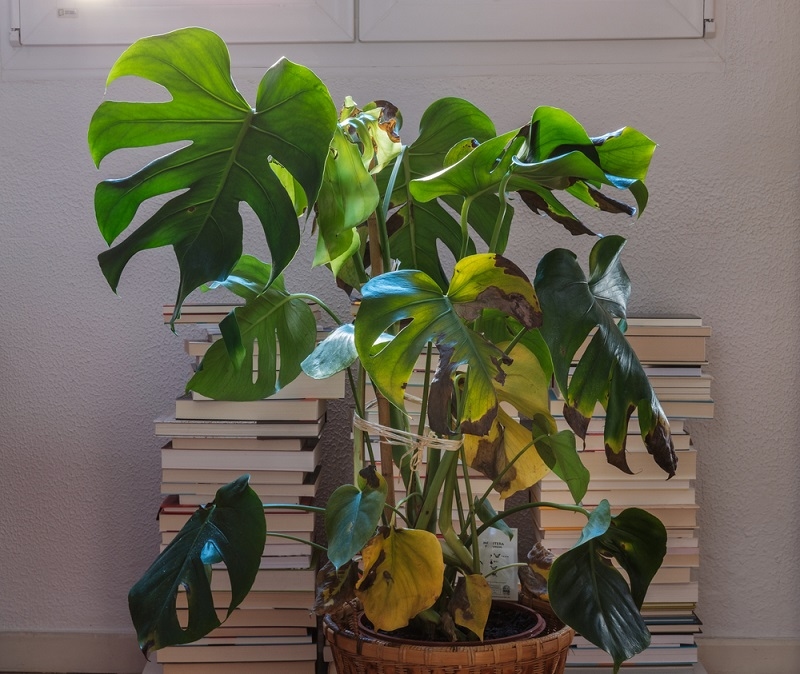
Overwatering is something many people who have plants do by mistake. It is really bad for the plants. If the leaves on your plant are turning yellow, the dirt is too wet, or your plant just does not look right, you need to help your overwatered plants get better right away.
The good thing is that many plants can improve if you address the issue quickly. If you know what to look for and how to fix the problem, you can save your plant. Make it healthy again.
This guide will tell you everything you need to know about overwatered plants, from identifying root rot to rescuing it and making it healthy again.
Recognizing signs of indoor plant health problems and mastering them is really important to save your plant. These signs mean your plant's roots are in trouble because of too much water. The sooner you act, the better your plants' chances of recovery.
Common symptoms include:
Overwatering takes away oxygen from plant roots. When the soil stays too wet, roots cannot breathe. They start to rot. This usually means plants need help for root rot.
Root rot is a fungus that hurts roots, making it hard for plants to get nutrients. The roots get damaged. If you do not treat root rot, it can kill the plant completely. You have to save the roots. Root rot can be bad news for your plants.
A plant rescue guide is really helpful to prevent overwatering and plant rot. These steps can help your plant survive for a time. To save your plant just follow this guide:
Allow the soil to dry completely before watering again. This helps to prevent damage. You should let the soil dry out totally. Then you can add water. This way, you do not make things worse.
Take the plant out of its pot. Look at the roots of the plant. The plant's roots should be white. Feel firm when you touch the roots of the plant. If the plant's roots are bad, they will be brown and soft. They will smell very bad.
Use scissors to cut away the affected roots. This step is very important. You have to do it for the root rot treatment to work well. Cutting away roots helps a lot. It is essential for treating root rot.
I do not like the soil that's all soggy and wet. I want to get rid of that soil. Then I will put the plant in some soil that drains really well. The new soil has to be fresh. It should not hold much water as the old soil did. This will help the plant perform better. I will use the soil to repot the plant. I will repot the plant in the soil.
You need to make sure your pot has holes in the bottom so the water can get out. It is also a good idea to add perlite or sand to the pot to help air reach the plant's roots. This will really help with airflow in your pot.
After your plant has recovered, water it when the top layer of soil feels dry to the touch. Watering should be done carefully. Check the soil daily. The top layer of soil should feel dry. This helps prevent overwatering. It also helps prevent underwatering.
Treating root rot needs action and good care. After cutting off the roots, you can use a gentle fungicide to stop more infection. Some gardeners also try things, like cinnamon, which helps kill fungus. Changing the soil to fresh soil is very important because old soil might still contain germs. You have to keep an eye on the plant to make sure root rot doesn't come back.
Good drainage is very important for our plants. It helps prevent problems that happen when we give our plants too much water. When water can drain out, our plants' roots can breathe more easily. This is good for our plants because they are less likely to get too much water. Our plants do not like being waterlogged. It is important to know watering tips to help plants flourish to optimum levels.
Here are some helpful tips for drainage for our plants:
Understanding how often to water plants is really important for caring for them. You cannot water all plants at the same time because watering frequency depends on plant type, environment, and season.
A simple thing to do is to water plants when the top part of the soil feels dry, like one or two inches down. When it is warmer outside, plants need to be watered more often, but in winter, watering frequency is less frequent. A lot of people make the mistake of watering their plants too much by watering them at the same time every day, instead of checking the soil to see if it is dry and needs more water.
When trying to save a plant that has too much water, here are some mistakes to steer clear of:
Fixing these mistakes helps the plant get better more easily.
Prevention is always better than a cure. These habits help maintain balance and prevent future problems. To keep your plants healthy in the future, follow these:
Sometimes your plants will not get better, no matter what you do. If the roots of your plants are completely mushy, the stems of your plants are collapsing, and there is no sign of growth, it may be time to let go of your plants.
However, you can still learn from this experience with your plants. Use better care techniques on your next plants.
Mastering the recovery of overwatered plants is really important for plant owners. If you can tell when your indoor plants are not doing well, know how to fix rotten roots, and make sure water drains properly, you can save struggling plants and prevent problems from happening again. It is also very important to know how to water your plants and to have a good guide to help you rescue them.
At AbleGarden, we believe every plant deserves another chance. If you give your plants the care and attention, you can make even the most damaged plants into beautiful and healthy plants that will make your home look great.
Recovery time varies depending on the extent of the damage. If the damage is mild, it may get better in a day. But if the root rot is severe, it can take weeks to recover. To help the plant get better, it needs care. This includes making sure the soil drains properly. You should also control how much you water the plant. That way, the plant can regain its strength.
In some cases, plants can recover on their own if the soil completely dries out. If there is root rot, repot the plant in new soil. You also have to cut off the damaged roots to prevent them from worsening. This helps the plant grow healthy again. The plant needs soil to recover.
It’s best to avoid giving food to a plant that has too much water during its recovery. Extra food can make damaged roots more stressed and make the problem worse. You should wait until the plant starts to look healthy and shows new growth. Then you can go back to giving it food on a basis.
This content was created by AI