

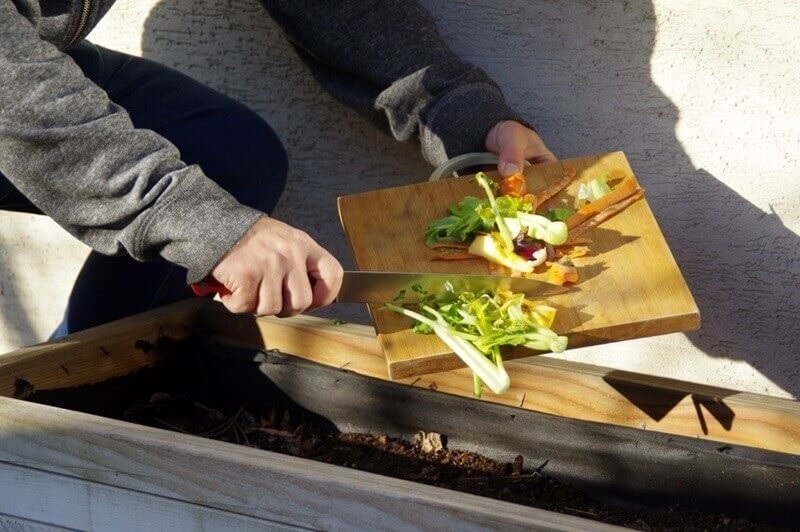
One of the most environmentally friendly things you can do to live a more sustainable life is to turn food scraps into rich soil. It not only minimizes what is thrown away in the household but also creates a kind of compost that can be used to replenish the garden. This step-by-step guide will show you how to embark on a successful home composting journey, how to maintain it, and how to get a harvest from it.
Organic waste like vegetable skins, food scraps, and grass trimmings that are being thrown away by households end up in landfills every day. When these organics rot, they emit gases that contribute to the greenhouse effect and disease. Making a compost bin at home is the best way to give a second round to this waste instead of letting it release methane gas emissions.
Final compost helps the Earth to be a good quality vessel for watersheds and keeps its moisture properties, all while decreasing the need for chemical fertilizers. This not only makes your earthlings happy, but also maintains your garden fit for the hot days ahead.
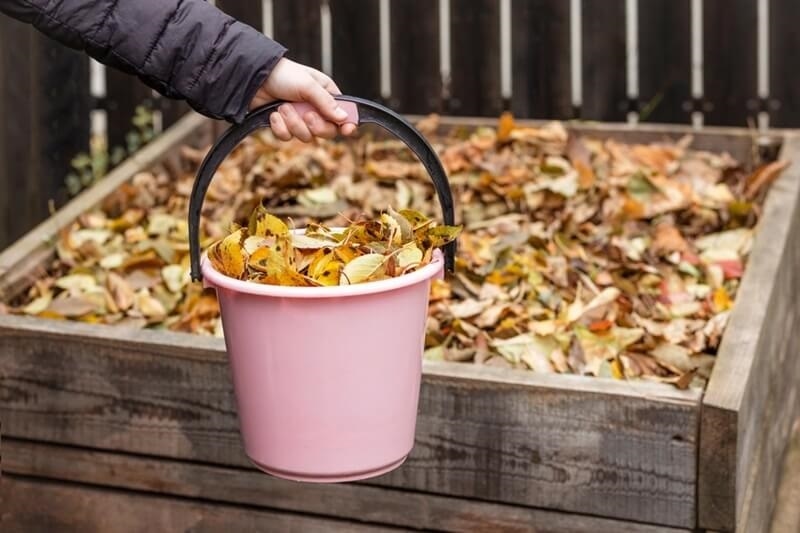
The first move in dealing with scraps is deciding on a final destination for them. It can be either a very simple or a very sophisticated compost bin. Despite the availability of various options, you can always make your own if you want.
People who are new to the concept of composting usually find it more convenient to purchase a bin that is especially designed for beginners. These models are generally very user-friendly, have adequate ventilation, and are made of sturdy materials. Some of the bins of this kind are of the tumbler type that allows one to mix effortlessly. While others are a standstill type, where you need to turn the material with a garden fork, but can accommodate a greater volume of it.
Choose your container first, and then decide where the best spot for your compost might be. The location of your backyard compost solution is the key to its effectiveness. Ideally, sit the bin in a shady place that is well within reach both from your kitchen and your garden. Shade helps to keep the compost from drying out too fast, and easy access makes sure you will actually use it.
When filling your bin, balance is a very important factor. The compost will be very effective if you combine the following two main ingredients:
A general rule of thumb is to use two-thirds of the browns and one-third of the greens. A high volume of food scraps may cause the pile to be soggy, whereas if the materials are too dry, the process of decomposition will be slowed down. Over time, with a lot of backyard composting, you will have mastered the ratio of ingredients just right for your compost bin.
There are certain items that should not be added to your waste heap. Using the inappropriate products may cause unpleasant smells or invite pests to your compost area. Here is a list to keep by your side:
By conforming to safety measures, your compost will remain healthy, and it will disintegrate at a faster rate.
Even the best compost pile can have minor problems sometimes. The good thing is that most of these issues are easy to fix with just small changes. The following are some problems and their solutions for compost bin troubleshooting:
By being observant and making minor changes, you can keep your backyard compost bin running without any hurdles.
In the beginning, a lot of beginners make some typical errors, which discourage them from continuing. Knowing the 10 most common composting mistakes to avoid will guide you to the right path:
The avoidance of the above mistakes not only simplifies the process but also makes it more enjoyable.
If you like constructing things on your own, you can manufacture your own compost container and save some money. Here are some easy DIY compost bin ideas:
These DIYs are low-cost and allow you to adjust your backyard compost based on space and requirements.
Depending on the situation, after some months, you will see that food scraps and yard waste have changed into dark and soft compost. This is one of the benefits of a backyard compost bin. The finished compost can be used in the garden in the following ways:
Good compost has an earthy smell and looks like dark, rich soil. If some food scraps are still distinguishable, then the compost is not fully decomposed.
Starting a backyard compost bin may seem like a daunting task initially, but it really becomes a simple habit if you use the right approach. By either picking the best compost bins for beginners or creating your own DIY compost bin, you can have a system that fits your lifestyle.
The next thing that happens is you will be able to see over time how kitchen and garden scraps turn into a valuable resource that meets the soil's healthy needs and the earth-friendly lifestyle that you are living.
This content was created by AI