

There’s something about annuals that makes them feel like the life of the party in a garden. They show up, dazzle everyone with bursts of color, then quietly exit when the season ends. Sure, they don’t stick around forever, but maybe that’s the charm. They’re like fireworks—bright, bold, and unforgettable. The only catch? If you want them looking their best from spring till the first frost, you’ve got to know a thing or two about annual flower care.
This guide isn’t some textbook rundown. Think of it more like a friendly walk through the garden—practical tips, little reminders, and a nudge to enjoy the process rather than fuss over perfection. Ready? Let’s get our hands dirty.
Before you even pop a plant into the ground, prep matters. Think of soil as the mattress your flowers will sleep on all season. Hard, compact dirt? Forget it. They need loose, well-drained soil with a bit of richness mixed in. Compost or organic matter is perfect.
Sunlight is another deal-breaker. Most annuals are sun worshippers. Six hours or more a day keeps them thriving. Skip that, and you’ll get tall, stringy plants with blooms that look, well, half awake.
Ask any gardener why they keep space for annuals, and you’ll hear the same thing: instant payoff. Perennials take their time, shrubs grow slow, but annuals? They burst out of the ground like they’ve had three cups of coffee. You can slot them between tired-looking plants, jazz up patios, or even use them as a centerpiece in a balcony pot.
And if you’re the type who likes change—bored easily with the same flower bed year after year—annuals are your best bet. New season, new look.
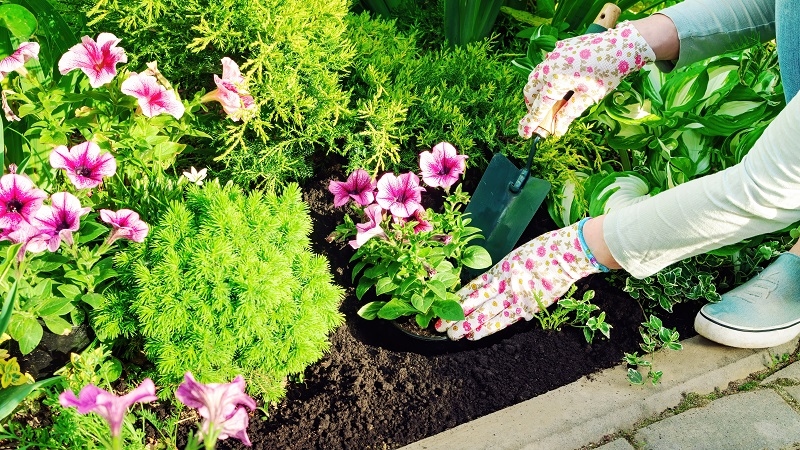
Now let’s talk about how to plant annuals without overcomplicating it. Dig a hole about the depth of the root ball, loosen the roots a little, and set the plant in. Sounds simple, right? It is. The trickier part is spacing. Too close and you’ll invite disease; too far apart and the bed looks patchy.
Want a quick tip? Taller annuals in the back, trailing or low ones near the front. That layering makes even small beds look full and intentional.
Not everyone has a yard, and honestly, you don’t need one. Containers do wonders if you pick the right plants. Choosing the best annual flowers for pots can make even a boring porch feel like a mini-botanical garden. Marigolds, petunias, impatiens—those classics thrive in pots without a fuss.
For a foolproof combo, think “thriller, filler, spiller.” One tall eye-catching plant, some mid-height fillers, and a trailing variety to spill over the sides. Balance done, no design degree required.
Here’s where people slip up: water. Some drown their plants, others starve them. The sweet spot in watering annual flowers is simple—soak deeply, then let the top inch of soil dry before the next round. Stick a finger in the dirt; if it feels dry, it’s time.
Morning watering works best. Plants get a full day to drink it up, and leaves dry off before night. That cuts down on fungus problems. Containers? You’ll be checking those daily once summer heat kicks in.
Annuals are like kids at a birthday party—endless energy, endless appetite. They grow, bloom, and bloom some more, which means they need food. A balanced, water-soluble fertilizer every couple of weeks keeps them from slowing down. Skip it, and you’ll notice flowers fizzle out earlier than they should.
Nobody wants blooms to fade halfway through summer. A bit of effort goes into extending annual bloom time. Deadhead the spent flowers. It feels fussy, but it tricks the plant into making more buds. Trim back leggy stems, too—they bounce back fuller and healthier.
Some gardeners even do “succession planting,” tucking in new ones mid-season. It’s like a backup cast ready to take the stage when the first group gets tired.
Not everyone wants to fuss with plants every weekend. And that’s fine. There are plenty of easy annual flower ideas if you’d rather keep it low maintenance. Zinnias? Practically foolproof. Vincas? They shrug off heat like it’s nothing. Nasturtiums? Bonus—they’re edible.
The point is, choose flowers that match the time you’re willing to give. No guilt, no stress.
Even the greenest thumbs slip sometimes. A few traps to dodge:
Crowding plants so tight they can’t breathe.
Forgetting regular water, then panicking with too much at once.
Ignoring fertilizer.
Another common mistake? Tossing aside plant tags. They may look boring, but they tell you exactly what the plant needs—sun, spacing, water. Ignore them, and you’re guessing.
Annuals don’t play the same way year-round. In spring, focus on soil prep and planting. Summer’s about keeping them watered, fed, and deadheaded. By fall, switch to hardier annuals like pansies or chrysanthemums that can handle cooler nights. It’s like rotating your wardrobe—right flower, right season.
Annuals aren’t just background fillers. They can be the stars. Line a walkway with them, cluster bright colors around a seating area, or design themed displays (red, white, and blue for the Fourth of July, maybe soft pastels in spring). Because they’re temporary, you can afford to experiment.
Even tough annuals get gatecrashers. Aphids, spider mites, or slugs show up now and then. The good news? Catch them early and they’re easy to manage. A spritz of neem oil, insecticidal soap, or even just a blast of hose water can solve most problems.
Diseases like mildew happen if plants are too close or leaves stay wet too long. That’s another reason spacing and morning watering matter.
Annuals don’t just look good on their own—they can play well with others. Pairing them with vegetables or herbs creates a garden that’s both practical and pretty. Marigolds, for instance, are famous for keeping pests away from tomatoes and peppers. Sweet alyssum can be tucked between rows to attract pollinators, and nasturtiums act like a trap crop, luring pests away from more delicate plants.
It’s a win-win: your veggies grow stronger, your herbs stay healthier, and your space looks lively with color. When thinking about design, don’t limit yourself to flower beds—annuals can boost your entire garden’s health while giving you the seasonal splash of blooms you’re after.
Annuals might not stick around year after year, but maybe that’s why they’re so lovable. They’re like a seasonal tradition—something you look forward to, enjoy fully, and then reset for next year. With smart soil prep, steady water, and a little trimming, you can stretch those blooms well past the first heatwave.
So why not grab a few packs this season? Plant them in beds, tuck them in pots, or scatter them along a path. Chances are, they’ll bring more color and joy than you expected. After all, gardening’s not about perfection. It’s about moments—little bursts of happiness—and annuals deliver those in spades.
This content was created by AI